ByJohn A
Flexible Electrical Discharge Machining for Industrial Workshops
Manufacturing and maintenance teams regularly encounter tasks that require controlled material removal from conductive components. Hard materials, broken tools, narrow access points, and specialised repair requirements can make conventional machining difficult. Electrical discharge machining provides another option for selected applications by using electrical energy to erode material rather than relying on a conventional cutting edge.
Portable EDM equipment may be worth evaluating when a workshop needs greater flexibility in how certain repair and machining tasks are organised. However, the benefits depend on the equipment’s capabilities, the workpiece, and the operating environment.
What Makes EDM Different?
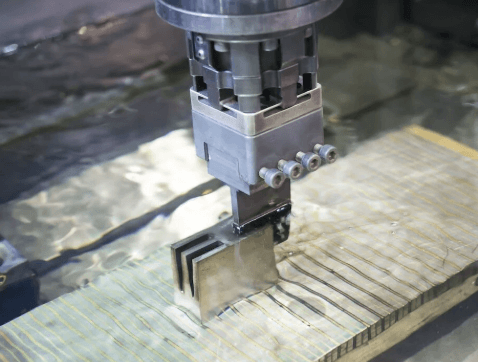
EDM removes material through controlled electrical discharges between an electrode and an electrically conductive workpiece. The interaction creates localised erosion, allowing material to be removed according to the selected process and setup.
Because the method does not depend on a conventional cutting edge, it can be useful for certain tasks involving hard materials or difficult-to-remove fragments. Nevertheless, EDM is not a universal replacement for drilling, milling, grinding, or other established machining processes.
The best method depends on the workpiece material, geometry, tolerance requirements, production volume, and final surface condition.
Why Portability Can Be Valuable
In a conventional workshop arrangement, components may need to be transported to a dedicated machine. This can be inconvenient when parts are large, integrated into assemblies, or difficult to handle safely.
A portable configuration may allow selected tasks to be carried out closer to the workpiece. That flexibility can help reduce unnecessary handling when the equipment and application are compatible.
Before assuming a job can be performed in place, check the available workspace, access, workpiece stability, electrical supply, and any fluid or extraction requirements. Portable equipment still needs a controlled operating area and a secure setup.
Businesses researching this category can explore the Clyertek portable EDM machine collection as a starting point for comparing available equipment configurations.
Common Applications
Broken-tool recovery
A broken tap or other conductive tool can become trapped inside a valuable component. Depending on the fragment and workpiece, EDM may provide a way to remove material from the obstruction and support subsequent extraction.
The recovery method must be chosen carefully. Material compatibility, access, hole geometry, and the required condition of the original component all influence feasibility.
Maintenance of industrial tooling
Dies, moulds, and other tooling may require repair or modification during their working life. EDM can be considered for selected tasks where controlled erosion offers advantages over conventional cutting.
Before proceeding, inspect the tool and determine whether the planned operation could affect its dimensions, surface condition, or service performance.
Specialised machining tasks
Some components contain features that are difficult to access using ordinary machining tools. Depending on the equipment and electrode arrangement, EDM may help address particular requirements.
Testing should establish whether the process can achieve the necessary dimensions and surface characteristics. A suitable process for one component should not automatically be assumed suitable for another.
How to Compare Available Systems
Start by listing the jobs the equipment is expected to perform. Include the material types, component dimensions, required machining operations, access limitations, and expected frequency of use.
Then compare equipment according to:
- Supported applications and material compatibility.
- Working range and access requirements.
- Power and installation needs.
- Electrode or accessory availability.
- Setup complexity and operator training.
- Consumables, servicing, and spare parts.
- Manufacturer support and documentation.
A product’s portability or power rating alone does not establish whether it can complete a specific task. Ask for demonstrations or technical confirmation using representative workpieces.
Integrating EDM Into Existing Workflows
Before introducing a new machine, identify how it will fit into the workshop’s maintenance and production procedures. Determine who will assess incoming jobs, approve the selected method, operate the equipment, and inspect completed work.
Standard operating procedures should explain workpiece preparation, machine setup, process monitoring, and final inspection. They should also specify when a job must be referred to a specialist rather than attempted with available equipment.
Keep records of recurring jobs, processing time, material compatibility, and outcomes. This information helps the workshop evaluate whether the equipment is being used effectively and identify opportunities for further training.
Quality Assurance and Inspection
Material removal is only one part of a successful machining or repair operation. The finished component must still meet its functional and dimensional requirements.
Inspection methods depend on the job. They may include dimensional measurements, visual checks, examination of threads or holes, and verification against the component drawing. If the component is critical to safety or performance, the relevant quality procedures should determine the approval requirements.
Record deviations and investigate their causes before repeating the process. Consistent documentation makes it easier to improve setup practices over time.
Safety and Equipment Care
The exact precautions for EDM depend on the equipment’s design and operating method. Follow the manufacturer’s instructions for electrical safety, workpiece securing, fluid handling where applicable, machine maintenance, and emergency shutdown.
Operators should be trained before using the equipment independently. Routine inspections should identify damaged cables, worn components, leaks, loose connections, or other conditions requiring attention.
Do not use portable equipment in an uncontrolled environment simply because it can be moved. Establish a suitable work area and verify that the installation meets the manufacturer’s requirements.
Frequently Asked Questions
1. What is portable EDM equipment used for?
Depending on the machine, it may support selected broken-tool removal, small-hole machining, and other specialised material-removal tasks on compatible conductive workpieces.
2. Does portability mean a machine can be used anywhere?
No. The workspace, electrical supply, access, workpiece stability, and safety requirements must be suitable for the specific operation.
3. How should a workshop choose an EDM system?
Start with the intended jobs and compare material compatibility, operating range, setup needs, accessories, training, maintenance, and technical support. Verify important capabilities before purchasing.
Conclusion
Portable EDM equipment can provide useful flexibility for selected machining, repair, and maintenance tasks. Its value depends on matching the system to the workpiece and integrating it into a controlled workshop process. By defining application requirements, verifying machine capabilities, training operators, and inspecting completed work, businesses can evaluate whether portable EDM is an appropriate addition to their industrial operations.