ByJohn A
Gas Fired Power Generator Repair: Inspection Methods, Maintenance and Balancing
Gas-fired power generators are built to operate for long periods under demanding electrical and mechanical loads. Over time, however, heat, vibration, electrical stress, lubrication issues, and component wear can affect their performance. A generator that begins showing unusual vibration, reduced output, overheating, or unstable operation may require detailed inspection before the underlying fault becomes more serious.
Proper gas fired power generators repair involves more than replacing a damaged component. Technicians generally need to determine why the problem developed, examine affected parts, and verify that the generator can return to reliable operation. Mechanical balancing, magnetic inspections, and ultrasonic examination can all contribute to this process.
Why Generator Inspection Matters
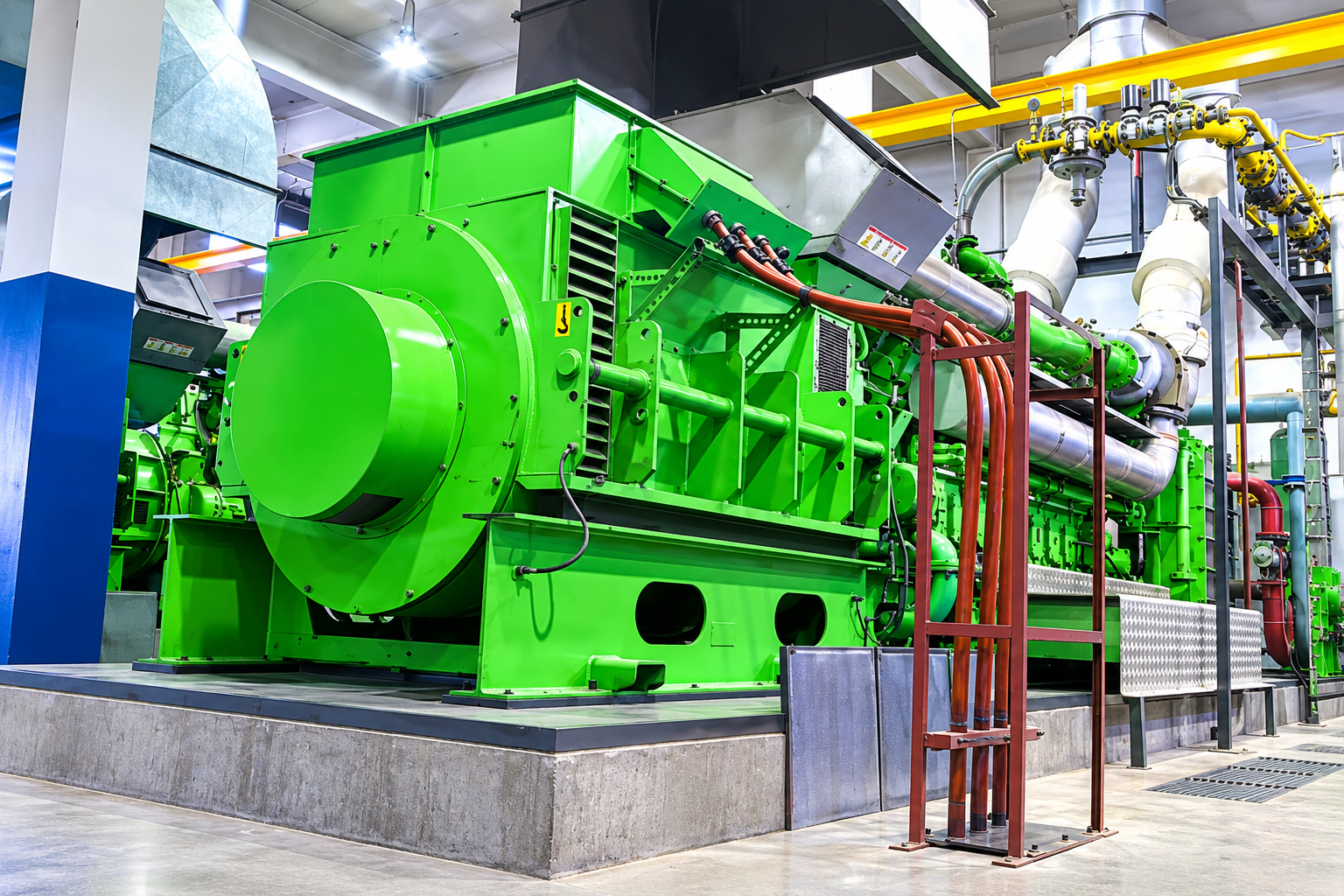
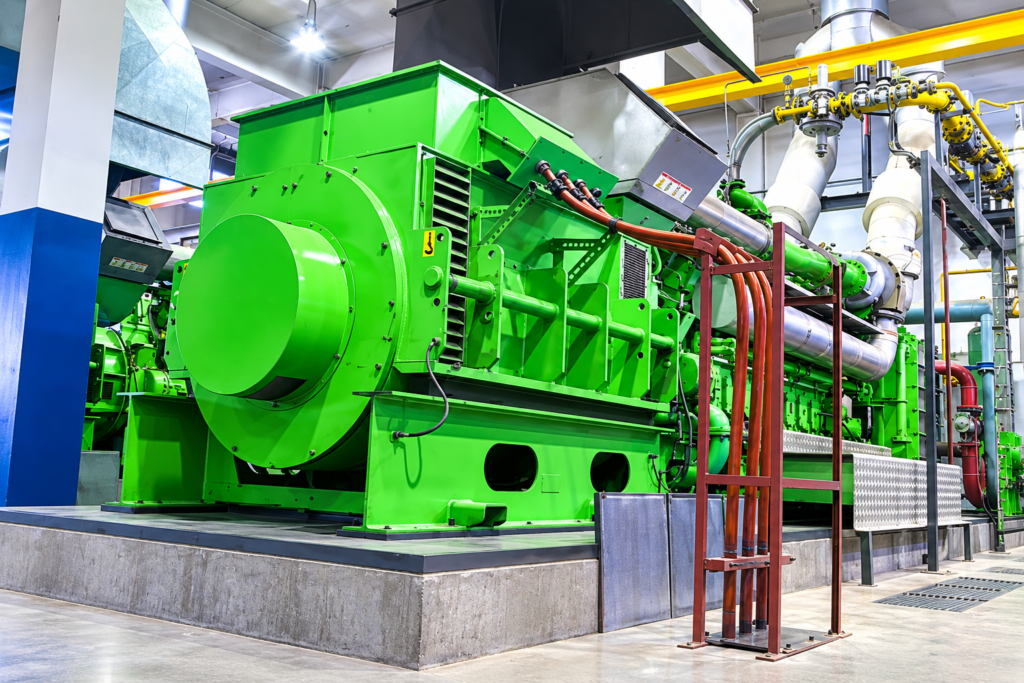
A gas-fired generator contains several interacting systems. The engine or turbine supplies mechanical energy, while the alternator converts that energy into electrical power. Bearings, shafts, rotors, stators, couplings, cooling systems, and electrical windings must work within specified operating conditions.
A small mechanical defect can produce secondary problems. For example, rotor imbalance may increase vibration and place additional loads on bearings. Excessive vibration can eventually affect couplings or other rotating components. Likewise, an electrical defect in a rotor or stator can lead to overheating and reduced generator performance.
For this reason, repair work often begins with condition assessment rather than immediate component replacement.
See also: Retail Store Display Installation: A Practical Guide to Planning, Setup, and Store Readiness
Common Signs That a Generator Needs Attention
Operators may notice several warning signs before a major failure occurs. These can include:
- Increasing vibration during operation
- Unusual mechanical noise
- Higher bearing temperatures
- Fluctuating electrical output
- Unexpected shutdowns
- Reduced generating capacity
- Abnormal insulation readings
- Visible cracks or surface damage
- Excessive wear around rotating components
The significance of each symptom depends on the generator design, operating history, and measured values. Comparing current readings with previous inspection records can help technicians identify gradual changes.
Gas-Fired Power Generator Maintenance and Repair
Routine gas fired power generator maintenance can reduce the likelihood of unexpected failures by identifying deteriorating components before they reach a critical condition. Maintenance programs may include lubrication checks, cooling-system inspections, electrical testing, vibration monitoring, alignment verification, and examination of mechanical components.
Maintenance and repair are closely connected but serve different purposes. Maintenance is generally planned around inspection and preventive work, while repair addresses an identified defect or failure. A maintenance inspection may reveal a developing bearing problem, for example, allowing the component to be replaced during scheduled downtime instead of after an unexpected shutdown.
Inspection intervals should reflect the manufacturer’s recommendations, operating hours, loading conditions, environmental conditions, and previous equipment history.
Investigating Rotor Imbalance
Rotating equipment must maintain an appropriate distribution of mass around its rotational axis. If material is unevenly distributed, the resulting imbalance can create centrifugal forces that increase with rotational speed.
Low speed horizontal balancing is one method used to examine and correct the mass distribution of rotating components. The process can be useful during generator overhaul work, particularly when a rotor or other rotating assembly has been removed for inspection.
During balancing, the component is positioned on balancing equipment and rotated at a controlled speed. Measurements help identify the magnitude and location of imbalance. Corrective action may involve adding or removing a calculated amount of material at specified locations.
Low-speed balancing does not reproduce every condition experienced by a rotor during normal operation. Factors such as operating speed, thermal growth, assembly tolerances, and field conditions may also affect generator vibration. Consequently, balancing results should be considered alongside other inspection findings.
Examining Magnetic Components
Generators rely heavily on electromagnetic principles. The rotor and stator contain components that must maintain their mechanical and electrical integrity throughout operation. Damage to these parts can interfere with the generator’s ability to produce electricity efficiently.
Magnetic part testing can help identify certain discontinuities in ferromagnetic materials. The technique uses magnetic fields and suitable inspection media to reveal indications associated with surface or near-surface flaws.
This type of examination can be useful for detecting cracks that may not be readily visible during a conventional visual inspection. However, its effectiveness depends on the material properties, defect orientation, surface condition, and inspection procedure.
For a complete assessment, magnetic testing may be combined with other nondestructive examination methods. Each technique provides different information about the condition of a component.
Using Ultrasonic Examination
Ultrasonic testing uses high-frequency sound waves to examine material for internal or surface-connected discontinuities. It can provide information that cannot always be obtained through visual inspection alone.
Phase array volumetric ultrasonic testing uses multiple ultrasonic elements that can be electronically controlled to direct and focus sound into a component. This allows inspectors to examine a volume of material and evaluate indications from different angles.
For generator-related components, ultrasonic methods may be considered when inspectors need to investigate possible internal flaws, weld conditions, or areas where conventional surface examination provides limited information.
The quality of ultrasonic inspection depends on equipment calibration, probe selection, material characteristics, component geometry, access, and operator qualification. Results also need to be interpreted against the appropriate inspection criteria.
Combining Inspection Methods
No single inspection method can reveal every possible generator defect. A visual inspection may identify surface deterioration, while vibration analysis can provide information about rotating equipment behavior. Magnetic testing can identify suitable surface or near-surface discontinuities in compatible materials, while ultrasonic examination can investigate material volumes below the surface.
Using several methods allows technicians to build a more complete picture of equipment condition.
For example, elevated vibration may lead to an investigation of rotor balance and alignment. If a component is removed during the process, nondestructive testing can then be performed to check for cracks or other material defects. The resulting information can guide the repair decision.
Repair Planning After Inspection
Once inspection results are available, repair planning should consider the severity and location of the defect, component specifications, operating requirements, and applicable technical standards.
Some components may be suitable for repair, while others may require replacement. Repairs involving rotating equipment can require additional dimensional checks, balancing, alignment, and testing before the generator is returned to service.
Documentation is also valuable. Inspection measurements, test results, replaced components, balancing records, and post-repair readings create a service history that can help technicians identify trends during later inspections.
Verification Before Returning to Service
The final stage of gas fired power generators repair should include appropriate verification of the completed work. Depending on the repair scope, this may involve dimensional inspection, electrical testing, vibration measurements, insulation checks, alignment verification, or controlled operational testing.
The objective is to confirm that repaired components meet their required specifications and that the generator operates within acceptable limits.
A structured inspection and repair process can also help operators distinguish between an isolated component failure and a recurring equipment problem. That distinction matters because replacing a failed part without addressing the underlying cause may allow the same fault to return.
Conclusion
Gas-fired generator reliability depends on the condition of many mechanical and electrical components working together. Repair work is therefore most effective when it is supported by appropriate inspection and testing rather than based only on visible symptoms.
Balancing techniques can investigate rotating components, magnetic examination can identify suitable material discontinuities, and ultrasonic methods can assess internal areas. Combined with planned maintenance and accurate operating records, these practices provide useful information for diagnosing faults and planning generator repairs with greater technical confidence.