
Older homes often have features that give them character, such as original woodwork, unique layouts, high ceilings, and traditional architectural details. However, their designs may not suit the needs of modern households. Small kitchens, limited storage, outdated bathrooms, narrow hallways, and poorly arranged living areas can make everyday activities less convenient.
Home remodeling offers a practical way to address these problems while keeping the features that make an older property special. Improvements to room layouts, flooring, windows, lighting, and storage can make a home easier to use and more comfortable. With proper planning, homeowners can update their properties to support changing family needs without having to move. Companies like Nailed It Roofing Pros offer remodeling services that help homeowners improve their living spaces through thoughtful renovations and functional upgrades.
Better Room Layouts for Everyday Living
Many older houses have separate rooms with narrow entrances and layouts that limit movement. While these designs may have suited earlier lifestyles, they can feel restrictive for families who prefer open and connected living spaces. mRemodeling can improve the flow between rooms by changing doorways, adjusting partitions, or modifying suitable walls. For example, opening part of the wall between a kitchen and dining room can make serving meals easier and allow family members to interact while preparing food.
Some practical layout improvements include:
- Creating a more open connection between the kitchen and dining area.
- Improving access between living rooms and outdoor spaces.
- Removing unnecessary partitions where structurally suitable.
- Making better use of unused corners and awkward spaces.
- Creating separate areas for working, relaxing, and entertaining.
These changes can make rooms feel more spacious and help household members move around comfortably.
See also: Beyond Paperwork: How Company Secretarial Services Support Long-Term Business Success
Making Kitchens More Practical
Older kitchens often have limited counter space, outdated cabinets, poor lighting, and appliances that do not meet current household needs. Since the kitchen is used for several daily activities, an inefficient layout can make cooking and cleaning more difficult. A kitchen renovation can improve the arrangement of appliances, work surfaces, cabinets, and storage areas. Adding drawers, pull-out shelves, and pantry storage can make frequently used items easier to reach.
Other useful kitchen improvements include:
- Installing additional countertops for food preparation.
- Replacing worn cabinets with practical storage options.
- Improving task lighting above cooking and preparation areas.
- Updating sinks and faucets for easier everyday use.
- Choosing durable flooring that is simple to maintain.
A well-planned kitchen does not always require a larger room. Better storage and a more suitable layout can make the existing space considerably more useful.
Creating More Comfortable Bathrooms
Bathrooms in older homes may have outdated plumbing fixtures, limited storage, poor ventilation, or layouts that restrict movement. These issues can affect comfort and make cleaning and maintenance harder. Home remodeling can address these concerns through updated fixtures, improved lighting, better ventilation, and more practical bathroom layouts. Replacing an old bathtub with a walk-in shower may also make the room easier to access, depending on household requirements.
Useful bathroom upgrades include:
- Installing water-efficient toilets and faucets.
- Adding storage cabinets for towels and toiletries.
- Improving ventilation to reduce excess moisture.
- Using slip-resistant flooring.
- Installing better lighting around mirrors and shower areas.
- Improving shower access and available movement space.
These changes can make the bathroom more comfortable for everyday use while supporting the needs of different age groups.
Adding Storage Without Increasing the Home’s Size
Limited storage is a common problem in older properties. Built-in closets may be small, kitchens may lack cabinet space, and hallways may not have enough room for everyday belongings. As households grow, these limitations can create clutter. nRemodeling provides opportunities to use existing space more effectively. Built-in shelving, under-stair storage, recessed cabinets, and custom closet arrangements can provide additional room without requiring a major extension.
Homeowners can consider several storage improvements:
- Adding built-in shelves to living rooms and bedrooms.
- Using unused areas beneath staircases.
- Installing cabinets above laundry appliances.
- Creating organized pantry spaces.
- Adding closet organizers with separate sections for clothing and accessories.
These improvements help keep frequently used items organized and leave more open space for everyday activities.
Improving Lighting and Energy Efficiency
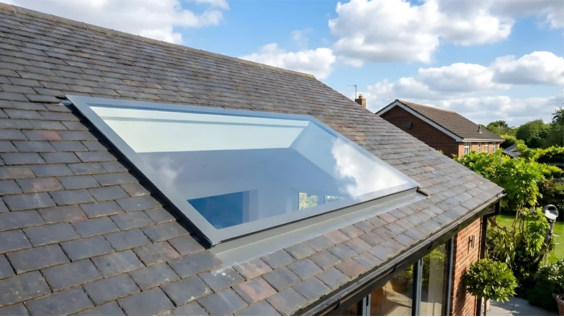
Older homes may have limited natural light, outdated electrical systems, and windows that allow unwanted heat to enter or escape. These conditions can affect indoor comfort and increase energy use. Replacing older windows with suitable energy-efficient options can help improve insulation. Adding windows or skylights, where practical, may also bring more natural light into darker rooms. Lighting upgrades can make a noticeable difference throughout the property. A combination of ceiling lights, task lighting, and wall fixtures can make different areas easier to use.
Other improvements worth considering include:
- Replacing outdated light fixtures with LED options.
- Sealing gaps around doors and windows.
- Improving attic insulation.
- Updating older heating and cooling equipment.
- Installing modern thermostats to manage indoor temperatures.
Before making these changes, homeowners should consider the home’s existing electrical wiring, insulation, and ventilation. A professional assessment can help identify which upgrades are most suitable.
Making Older Homes Safer and Easier to Access
Safety and accessibility deserve attention during renovation planning, particularly for households with children, older adults, or family members with mobility limitations. Older properties may have uneven flooring, steep staircases, narrow doorways, or bathrooms that are difficult to access. Addressing these features can make everyday movement safer and more convenient.
Possible improvements include:
- Adding handrails along staircases.
- Improving lighting in hallways and stairways.
- Installing grab bars in suitable bathroom locations.
- Reducing unnecessary steps between frequently used areas.
- Choosing flooring that provides better grip.
- Widening doorways where the structure allows.
These changes can support long-term comfort and make the property more adaptable as household needs change.
Updating Exterior Areas and Structural Features
A home’s functionality also depends on its exterior condition. Damaged siding, old windows, worn exterior finishes, and poorly maintained outdoor areas can affect protection, comfort, and maintenance requirements. nExterior renovations may include siding replacement, door and window upgrades, exterior trim improvements, and better connections between indoor and outdoor living areas.
For example, improving access to a patio or adding a suitable outdoor seating area can provide more usable space for relaxing and entertaining. Nailed It Roofing Pros offers residential remodeling services that include interior updates, exterior improvements, layout changes, and structural modifications. Addressing these areas as part of a planned renovation can help homeowners improve how their properties look and function. Structural work requires particular care. Changes involving load-bearing walls, foundations, or major building components should be assessed by qualified professionals before construction begins.
Planning a Remodel That Fits Your Needs
A successful renovation starts with understanding which parts of the home need attention. Homeowners do not have to update every room at once. Prioritizing improvements based on daily use, safety, maintenance, and available budget can make the project easier to manage. Working with trusted home contractors can help homeowners understand the condition of their property, identify suitable improvements, and plan the construction process.
Before starting a project, consider these points:
- Identify daily challenges: Make a list of areas that cause inconvenience, such as limited storage, poor lighting, or restricted movement.
- Set a realistic budget: Account for materials, labor, permits, and possible repairs discovered during construction.
- Inspect existing structures: Check plumbing, electrical wiring, roofing, flooring, and other essential components.
- Prioritize important upgrades: Address safety and structural concerns before focusing on decorative changes.
- Plan for future needs: Consider how the home may need to support changes in family size, mobility, or lifestyle.
Nailed It Roofing Pros can help homeowners explore residential remodeling options based on their property, renovation goals, and budget considerations. Clear planning and communication can also help reduce confusion during different stages of construction.
Give Your Older Home a More Useful Layout
An older home does not need a completely different design to become more comfortable and practical. Changes to room layouts, kitchens, bathrooms, storage, lighting, and exterior features can make everyday living easier while preserving the property’s original character. Carefully planned home remodeling allows homeowners to make better use of their existing space and prepare their properties for future needs. Choosing suitable improvements and working with experienced professionals can help create a home that feels more comfortable, accessible, and functional.
Ready to make your older home more functional? Contact Nailed It Roofing Pros today to discuss your remodeling ideas and explore practical renovation options for your home.